

Are you intentionally building trust?
| Dear Leaders, I hope you are well. As for us at The Laughing Willow, we are starting the year with a fresh new look and a lot of energy to support organisations on their leadership journey. This month, I want to talk about something I see every day in teams: trust. – Allow me to begin with a few honest questions for you: – Do people really say what they think in your meetings? – Do they ask for help without hesitation? – Can someone openly say, “I made a mistake,” without fear? And does leadership consistently keep its promises? Your answers are indicators of the level of trust within your team. Trust is the foundation of high-performing teams. It's the invisible glue that holds everything together – across industries, cultures, and organisations of all sizes. This month, I’d like to share three practical lenses that guide my work when I help leaders build trust in their teams. |
Lencioni is very clear: A lack of trust is the root of all team dysfunctions.
His pyramid reminds us that trust is the base. If that foundation is shaky, everything above it suffers: discussions become superficial, decisions slow down, commitment weakens, and results stagnate.
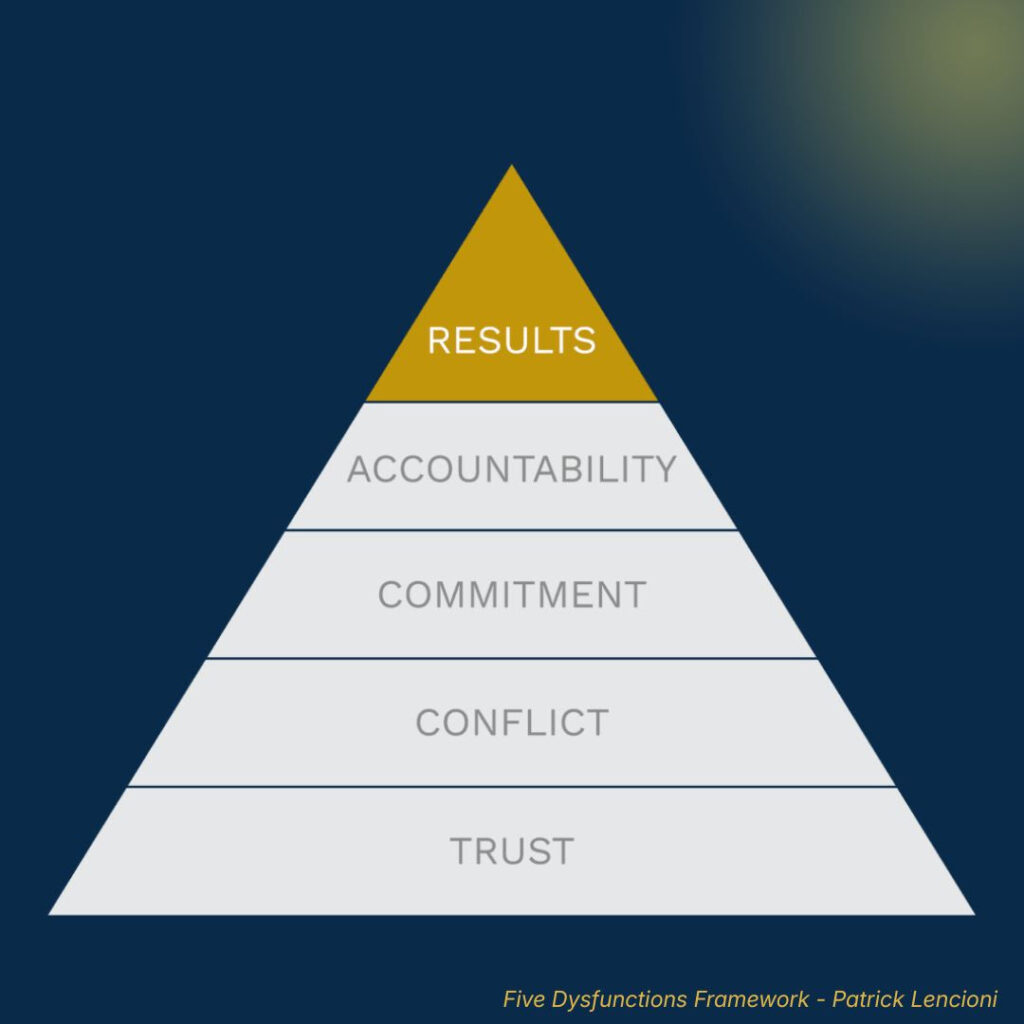
When trust is present, it unlocks:
- Healthy conflictpeople can disagree constructively
- Genuine commitmentNo fake alignment
- Shared accountability“we” instead of “me”
- A focus on resultsThe team moves forward together
Watch the video and to go further; read Lencioni's book!
| We often hear: «Trust can't be decreed... it takes time». And I say: Yes, but how long do you have to achieve your goals? Because when it comes down to it, it's the lack of confidence that makes you lose it. |
| A recent Harvard Business Review article; The Neuroscience of Trust (2025), shows that trust is not just a “soft” topic. It has a direct impact on performance, collaboration and decision-making. If you ever need data to make your case to your organisation, this research is a great ally. |
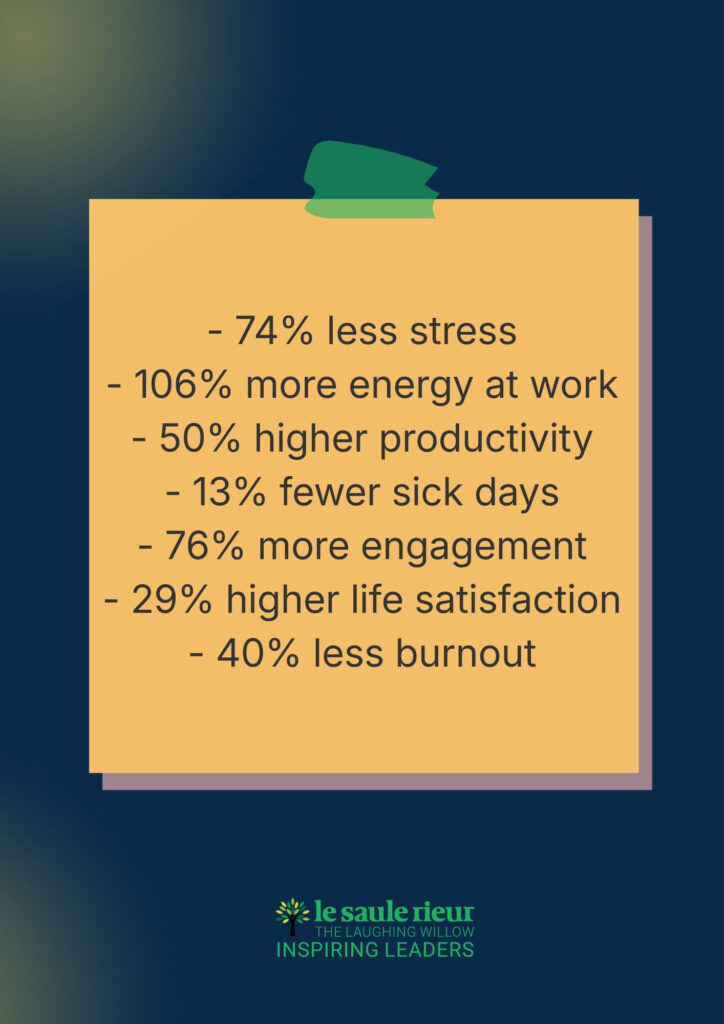
In my trainings, I frequently use this equation because it makes trust tangible and actionable:
Trust = (Credibility + Reliability + Intimacy) / Self-Orientation.
In other words: confidence increases when the first three elements progress, and falls when self-orientation is too strong.
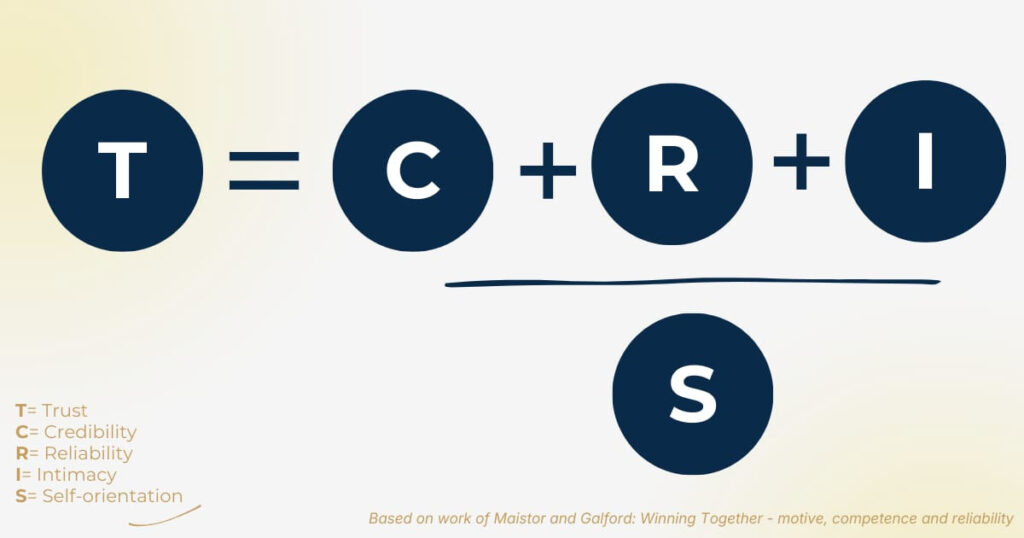
- Credibility: “Do I believe you?”. Do you know your stuff? Are you consistent in your thinking?
- Reliability: “Can I count on you?”. Do you do what you say you will?
- Can I be myself with you?“. Is there psychological safety?
- Self-orientation: the real brake on trust. When leaders are too focused on themselves, trust erodes.
| If you want to gauge the temperature of trust in your team, I recommend starting with Lencioni's “Five Dysfunctions of a Team” assessment. |
| In just 10-15 minutes, it allows you to: |
| Measure the level of trustIdentify strengths and tensionsPut words (and numbers) on what often feels vague |
| Contact me to analyse your results. |
| If you’d like more concrete insights and practical actions, I invite you to read my full article on this topic. And of course, if you’d like to explore how to strengthen trust in your team, simply reply to this email. I’d love to continue the conversation with you. |