

The coaching posture: a shift that elevates performance
| Dear Leaders, |
| This May, coaching takes centre stage! This year the ICF Converge Summit welcomes professional coaches to Paris for 3 days of continuous learning. It’s also a time for me to step back, listen, learn alongside my peers and make inspiring connections! |
| This month, I want to take you behind the scenes of coaching: what really happens in a coaching conversation. And why, as a leader, your own coaching posture matters. |
| Those of you who have benefited from professional coaching know its advantages. It is a structured process grounded in listening, trust, and a strong alliance, and a space for reflection, perspective, and growth. It’s a partnership where the coachee, supported by their coach, explores what needs to emerge, shift, or transform. A professional coach is here to create the conditions for genuine thinking and meaningful change. Not to offer answers, but to help you discover your own. Concretely, a coach helps you: – clarify what’s truly at stake – step back and see situations with a fresh perspective – identify your internal and external resources – explore your true levers for action – move forward towards change – consciously chosen, not imposed The role is to build your autonomy, your clarity and your sense of responsibility. The coaching offers you a space that is both safe and challenging. A space where you can think freely and move forward with intention. A space where listening, empathy, and care are at the heart of the relationship. What makes coaching truly effective is the balance between: quality of presence(deep listening, trust, attention) and strength of structure (a clear framework, strong ethics, and strict confidentiality). |
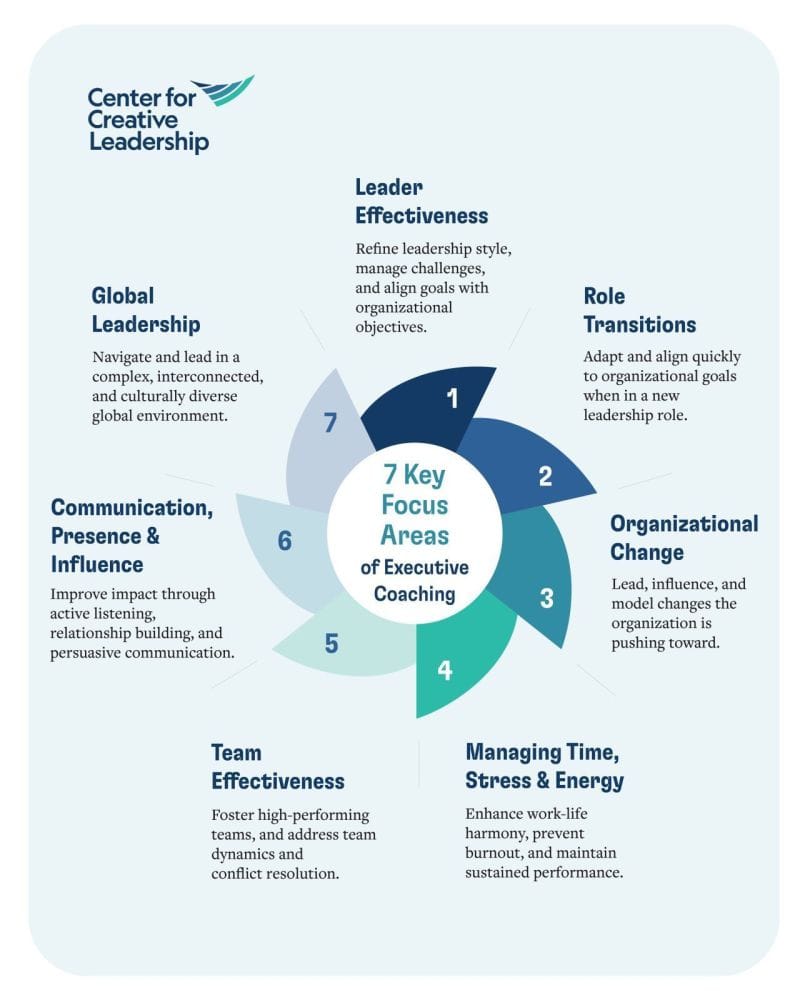
| While the ICF deontology and core competencies guide my practice, I also seek inspiration from The Centre for Creative Leadership. In one of the most recent articles on coaching, they highlight several key focus areas in executive coaching that drive meaningful outcomes – reinforcing the depth and impact of this work. |
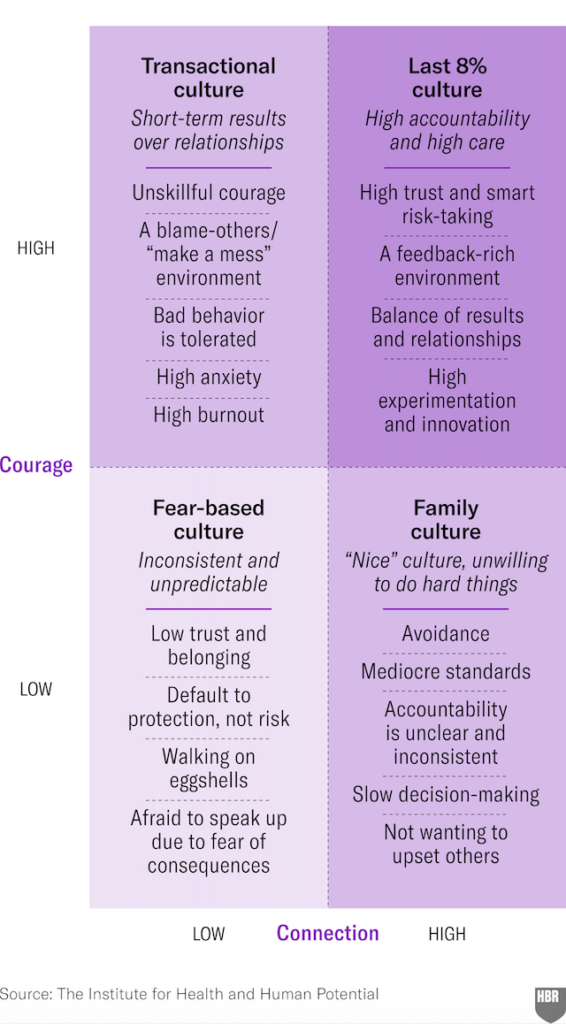
| We know that in organisations, not everyone can benefit from professional coaching. However, as a manager, you can develop a coaching posture to support your team members' growth. In this article, I'll show you how simply you can adopt this posture – in your day-to-day, through practical shifts and proven models. |
| Professional coaching, as we practise it at The Laughing Willow, is a living, demanding, and deeply human approach. It fosters both individual and collective transformation, with a sense of joy and awareness. Our different types of professional coaching: One-to-one coaching At The Laughing Willow, it is above all a Meeting. A trusting relationship, built step-by-step, where you become a full participant in your journey. There is no magic formula. Only powerful questions, a benevolent mirror, “meta” pauses, and transformative realisations. Grant yourself space. Breathe. Step back. Shed the unnecessary. One-to-one coaching, whether for business or personal reasons, is a unique support system that allows you to clarify, align, and transform. Team coaching A team is an ecosystem. Sometimes fluid, sometimes dysfunctional. Team coaching aligns objectives, eases tensions and strengthens cohesion and communication. It also reactivates the desire to do things together, with meaning and pleasure. Organisational coaching Transforming an organisation means transforming relationships, postures and systems. Organisational coaching is used during reorganisations, cultural changes or profound transformations. It helps managers and teams to develop a clear vision, mobilise talent collectively, and cultivate healthy, sustainable dynamics. At The Laughing Willow, we cultivate a coaching posture aligned with our philosophy: tailor-made, co-constructed support for lasting change. |
| Different sectors: EdTech, luxury, FMCG, defence, senior care. Various formats: consulting, one-to-one coaching, executive team coaching, collective intelligence facilitation. Different challenges: new leadership teams, transformation journeys, onboarding a new CEO, business expansion. |